National Implant Network β€” Dental Implant Planning Guide
  • 🦷 Home
  • 🦷 Implant Education
  • 🦷 FAQ's
  • 🦷 About Us
  • Implant Cost Estimate
  • 🦷 Contact us
Dental Implant Education Center

Dental Implant Education: Costs, Candidacy, Procedure & Recovery

Evidence-based guidance to help you prepare for a dental implant consultation in your area β€” costs, timelines, risks, bone grafting, and long-term care.

Looking for a dental implant provider near you? Use this hub to understand candidacy, costs, healing, and options β€” then get personalized next steps. Got questions? Visit our FAQ page for quick answers.

Search 9 core topics about dental implants

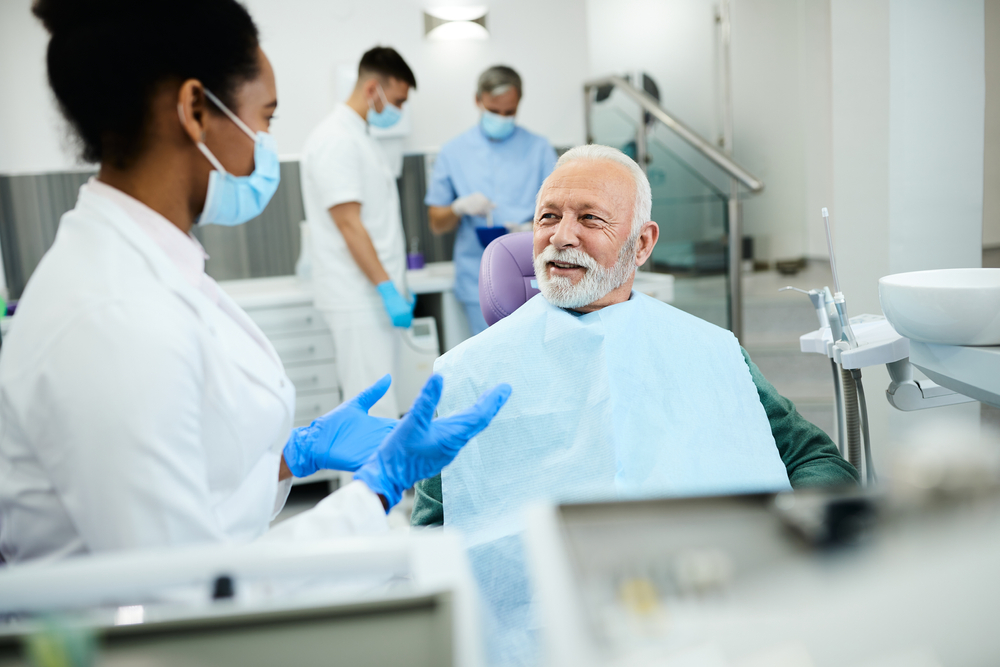
Dentist examining patient's mouth during consultation for dental implant candidacy
Candidacy

Dental Implant Candidacy: Who Qualifies & What Clinics Look For

6 min read β€’ Updated regularly

The honest answer to "am I a candidate?" almost always comes down to four things: bone, gums, general health, and habits. Most people who think they're disqualified actually aren't β€” they just need a clear plan.

The 4-factor candidacy framework clinicians actually use

When you walk into a consultation, the clinician is mentally running through four categories. Knowing what they're looking for helps you arrive prepared β€” and helps you understand why the answer is rarely a flat "yes" or "no." It's usually "yes, with these steps first."

1. Bone support (the foundation)

Implants need adequate bone height and width to anchor properly. A CBCT (3D) scan measures this precisely. If you've been missing teeth for a while, some bone loss is normal β€” but grafting can often rebuild what's needed. Insufficient bone is a delay, not usually a disqualifier.

2. Gum & tissue health

Active periodontal (gum) disease must be controlled before implant surgery. Healthy, non-inflamed tissue is essential for long-term success. Many clinics will recommend a periodontal cleaning and a healing window before placement.

3. Systemic health factors

Well-controlled diabetes, stable blood pressure, and no active infections support healing. Conditions like uncontrolled diabetes, recent radiation to the jaw, or certain bone-density medications may require coordination with your physician β€” but rarely rule implants out entirely.

4. Lifestyle & habits

Tobacco and nicotine (including vaping) significantly reduce implant success rates by impairing blood flow to healing tissues. Many clinics ask for a cessation window before and after surgery. Heavy alcohol use and untreated grinding/clenching also factor in.

Common myths that disqualify people who shouldn't be

βœ—"I'm too old." Age alone is rarely a barrier β€” overall health matters more than years.
βœ—"I don't have enough bone." Grafting techniques can often restore the bone needed.
βœ—"I've worn dentures for years." Long-term denture wearers are frequently still candidates.
βœ—"My diabetes rules me out." Well-controlled diabetes is generally compatible with implants.

Bottom line: Candidacy is a conversation, not a checklist score. Most "no" answers are really "not yet" β€” and the path forward is usually clearer than people expect.

Not sure where you stand?

Our 60-second readiness check walks through these four factors and gives you clear next steps based on your specific situation β€” no phone call required.

Check My Implant Readiness β†’
Dental professional discussing treatment costs and financing options with patient
Cost & Financing

Dental Implant Costs: What's Included, Add-Ons, and Financing Options

8 min read β€’ Pricing guide

The reason implant quotes vary so wildly isn't shady pricing β€” it's that "an implant" can mean wildly different treatment plans. Here's how to compare apples-to-apples and avoid the three quote traps most patients fall into.

Typical cost ranges in the U.S. (broad national averages)

Pricing varies significantly by region, provider experience, materials, and complexity. These ranges are educational β€” your actual investment depends on your specific case. Always get a written treatment plan that itemizes what's included.

Single tooth implant (start to finish)$3,000 – $6,000+
Consultation & 3D CBCT imaging$100 – $500
Implant placement surgery$1,500 – $3,000
Abutment + crown (restoration)$1,500 – $3,000
Bone graft (if needed)$300 – $3,000+
Sinus lift (if needed)$1,500 – $5,000
Full-arch (all-on-4 style)$20,000 – $50,000+ per arch

The 3 quote traps to watch for

Trap 1: "Implant starting at $999"

This often covers only the implant post itself β€” not the abutment, crown, imaging, or surgery. Always ask: "What's the all-in total for a finished tooth?"

Trap 2: Missing grafting estimates

If a quote doesn't mention bone grafting and your case may need it, the real total could be thousands higher. Ask for a CBCT first, then a complete plan.

Trap 3: No follow-up coverage

Confirm whether post-op visits, adjustments, and any warranty work are included or billed separately.

Financing & insurance reality check

βœ“Dental insurance: Most plans cover little or none of the implant itself, but may cover the crown, extraction, or imaging. Worth checking.
βœ“HSA/FSA: Implants are typically a qualified medical expense β€” pre-tax dollars can meaningfully reduce real cost.
βœ“Third-party financing: CareCredit, Cherry, Sunbit, and Proceed Finance offer dental-specific payment plans, often with promotional 0% periods.
βœ“In-house plans: Many clinics offer their own payment splits β€” sometimes more flexible than financing companies.

Want a personalized estimate?

Use the implant cost calculator at the bottom of this page for a quick personalized range based on your situation. For a complete plan with itemized pricing from a clinic near you, take the 60-second readiness check.

Get My Personalized Quote β†’
Dental clinician preparing instruments for an implant procedure in a sterile setting
Procedure Steps

Dental Implant Procedure: Step-by-Step From Exam to Final Crown

7 min read β€’ Process guide

The implant process isn't one appointment β€” it's a series of carefully timed steps spread over 3 to 9 months for most cases. Here's exactly what happens at each stage, what you'll feel, and how long the waits between visits typically run.

The complete timeline (varies case-by-case)

1

Consultation & 3D imaging (Week 0)

Clinical exam, CBCT scan, medical history review, and treatment planning. You leave with a written plan and pricing. Usually 60–90 minutes. No discomfort.

2

Prep work, if needed (Weeks 1–12)

Extractions, periodontal treatment, or bone grafting happen before placement. Healing time depends on the procedure β€” typically 2 to 12 weeks before the implant goes in.

3

Implant placement (1 appointment)

Performed under local anesthesia (sedation optional). The titanium post is placed in the jawbone. Most patients describe it as easier than expected β€” pressure, not pain. Appointment is 60–120 minutes.

4

Osseointegration (3–6 months)

The bone biologically fuses with the implant surface. You'll wear a temporary tooth or healing cap during this period. Normal activity resumes within days.

5

Abutment placement (minor visit)

A small connector piece is attached to the integrated implant. Often a 30-minute appointment with minimal recovery.

6

Final crown delivery (Week ~24+)

Your custom crown is fitted, bite is adjusted, and you walk out with the finished tooth. No more waiting.

Same-day options: real or marketing?

"Teeth in a day" and "immediate load" implants are real procedures β€” but candidacy is narrower than ads suggest. They generally require excellent bone quality and specific case conditions. A temporary tooth may be placed the same day, but the final restoration usually still comes after osseointegration. Always ask: "Is this the final tooth, or a temporary?"

Want to know your specific timeline?

Your timeline depends on extractions, grafting needs, and same-day eligibility. The readiness check gives you a personalized timeline estimate in 60 seconds.

Get My Timeline Estimate β†’
Patient smiling at a dental office representing successful healing after implant care
Healing & Recovery

Dental Implant Healing Timeline: What to Expect Week by Week

6 min read β€’ Recovery guide

Most patients overestimate how rough implant recovery will be. Surface healing is faster than people expect β€” usually 7 to 10 days. The longer phase happens silently beneath the gums. Here's the week-by-week reality.

Day-by-day recovery roadmap

Day of surgery

Bite firmly on gauze for 30–60 minutes to control bleeding. Numbness from anesthesia wears off in 2–4 hours. Eat soft, cool foods. Avoid straws (suction can disturb the clot). Rest with head slightly elevated.

Days 1–3 (peak swelling)

Swelling and tenderness typically peak around day 2–3. Cold compresses on the cheek (20 min on, 20 min off) help significantly. Most patients manage with prescribed or OTC pain relief. Soft foods: smoothies, yogurt, eggs, soup, mashed potatoes.

Days 4–7 (turning the corner)

Swelling drops noticeably. Bruising (if any) starts to fade. Begin gentle saltwater rinses as directed. Many patients return to desk work within 1–3 days; physical jobs may need longer.

Weeks 2–4 (surface healed)

Gum tissue closes over. Stitches dissolve or are removed. You can usually eat most foods again, avoiding the surgical site directly. The implant looks healed β€” but the integration phase is just beginning.

Months 2–6 (osseointegration)

The implant bonds with bone at a microscopic level. You feel completely normal during this phase. This is biology, not something you can speed up β€” but you can slow it down with smoking, poor hygiene, or skipping follow-ups.

Foods that help, foods to avoid

βœ“ Good choices (first week)

Yogurt, smoothies (spoon, not straw), eggs, oatmeal, mashed potatoes, soft pasta, well-cooked fish, ground meat in broth, protein shakes.

βœ— Avoid (first 1–2 weeks)

Crunchy foods (chips, nuts), sticky foods (caramel, gum), spicy foods, alcohol, very hot foods/drinks, anything requiring vigorous chewing near the site.

When to call the clinic right away

!Bleeding that won't stop with 30+ minutes of firm gauze pressure
!Swelling that worsens after day 3 instead of improving
!Fever over 101Β°F or persistent chills
!Pus, foul taste, or worsening pain after the third day
!Numbness in the lip, chin, or tongue lasting beyond expected anesthesia time

Planning for recovery time?

Recovery length depends on how many implants and whether grafting is involved. Get a personalized estimate so you can plan time off, travel, or family events.

Get My Recovery Estimate β†’
Dental imaging used to evaluate jawbone for implant placement and possible bone grafting
Bone Grafting

Bone Grafting for Dental Implants: When It's Needed & Recovery Basics

7 min read β€’ Surgical guide

"You need a bone graft" sounds alarming β€” but it's one of the most common, predictable steps in modern implant dentistry. Roughly 40–50% of implant cases involve some form of grafting. Here's what it actually means.

Why bone loss happens (and why it matters)

When a tooth is removed or missing for an extended time, the jawbone in that area gradually resorbs β€” the body reabsorbs bone it no longer needs to support a root. Within a year of tooth loss, studies suggest you can lose up to 25% of bone width in that area. Grafting rebuilds the foundation so the implant has enough bone to anchor into.

The 4 main types of grafts (matched to your situation)

Socket preservation

When: At the time of tooth extraction.
Why: Prevents the bone collapse that happens after extraction.
Healing: 3–4 months before implant placement.
Difficulty: Minor β€” often done in the same visit as the extraction.

Ridge augmentation

When: Bone has been lost over time (years of missing teeth).
Why: Restores width and/or height to the jaw ridge.
Healing: 4–9 months before implant placement.
Difficulty: Moderate β€” done as a separate procedure.

Sinus lift (sinus augmentation)

When: Upper back jaw lacks bone height; sinus is too close.
Why: Lifts the sinus membrane and adds bone underneath.
Healing: 4–9 months before implant placement.
Difficulty: Specialist procedure, but highly predictable.

Block graft

When: Significant bone loss requiring more volume.
Why: Adds a "block" of bone harvested or sourced from a donor.
Healing: 4–6 months.
Difficulty: Most complex of the four β€” reserved for advanced cases.

Where the graft material actually comes from

Autograft

Your own bone, usually from elsewhere in your jaw. Gold standard but requires a second surgical site.

Allograft

Processed bone from a human donor (tissue bank). Sterile and safe β€” extensively used in modern dentistry.

Xenograft

Bone-mineral material from animal sources (typically bovine). Acts as a scaffold for your bone to grow into.

Synthetic (alloplast)

Lab-made biocompatible material. Avoids donor concerns entirely.

Recovery reality: Most grafting procedures feel similar to a tooth extraction in terms of discomfort. Swelling for 2–4 days, mostly resolved within a week. The waiting period (months of healing) is longer than the recovery period (days).

Wondering if you'll need a graft?

Only a CBCT scan can tell you for sure, but the readiness check flags common risk factors (years since extraction, current denture wear, etc.) and points you to clinics that can do the imaging.

Check My Bone Health Risk β†’
Close-up of proper brushing technique showing dental hygiene for implant maintenance
Aftercare & Maintenance

Dental Implant Aftercare: Cleaning Routine & Long-Term Maintenance

6 min read β€’ Care guide

Implants don't get cavities β€” but they can still fail. The #1 cause of late implant loss isn't surgical: it's peri-implantitis, a gum-disease-like infection driven by plaque around the implant. Here's how to never deal with it.

The 5-minute daily routine that protects your investment

βœ“Brush twice daily with a soft-bristle or electric brush. Angle at 45Β° toward the gumline around the implant.
βœ“Clean between teeth daily using floss designed for implants (Super Floss, Platypus, or unwaxed floss). Wrap the floss around the implant in a "shoeshine" motion.
βœ“Use a water flosser 3–7x per week on the lowest comfortable setting. Particularly valuable for full-arch and bridge restorations.
βœ“Add an interdental brush if recommended β€” small bottle-brush-shaped tools that clean around implants better than floss for some patients.
βœ“Use an antimicrobial mouthwash (alcohol-free preferred) if your clinician recommends one. Daily use is usually fine; ask about chlorhexidine β€” typically short-term only.

Professional maintenance schedule

Every 3–6 months

Professional cleaning with implant-safe instruments (titanium or plastic scalers β€” not standard metal, which can scratch the implant surface). Most patients should be on a 4-month interval.

Annually

Periapical X-ray around each implant to monitor bone level. Bone loss is detected on imaging long before you'd feel anything.

As needed

Night guard if you grind/clench. Bite check if anything feels "off" with your chewing.

Early warning signs of peri-implantitis

Catching peri-implantitis early β€” when it's only soft-tissue inflammation (peri-implant mucositis) β€” is usually fully reversible. Once bone loss begins, it becomes much harder to treat.

!Gum bleeding when brushing or flossing around the implant
!Redness, swelling, or tenderness of the gum at the implant site
!Persistent bad breath or unpleasant taste localized to one area
!Gum recession exposing the metal collar of the implant
!Any sense of looseness or change in bite feel

Planning treatment? Plan for life after.

A good clinic will set you up with a maintenance schedule before you ever leave the chair. The readiness check matches you to clinics that prioritize long-term aftercare, not just placement.

Find a Long-Term Care Clinic β†’
Dental professional discussing long-term implant care and follow-up with patient
Longevity

How Long Do Dental Implants Last? Longevity Factors That Matter Most

6 min read β€’ Long-term care

Studies commonly report 10-year implant survival rates above 95%, with many implants lasting 25+ years. But "the implant" and "the crown on top" are two different things with very different lifespans. Here's the honest breakdown.

What lasts how long (realistic expectations)

The implant post (titanium)Often 20+ years; many last lifetime
The abutment10–15+ years typical
The crown (porcelain/zirconia)10–15 years average; replaceable
Full-arch prosthesis10–20 years; relining/replacement common

Important distinction: when a 20-year-old implant "needs work," it's usually the crown or abutment β€” not the post itself. Replacing a crown is far less involved than replacing an implant.

The 5 factors that most predict long-term success

1. Daily plaque control

Patients who clean implants thoroughly every day see dramatically lower failure rates. This is the #1 modifiable factor.

2. Smoking/nicotine status

Smokers have notably higher implant failure rates than non-smokers, according to multiple meta-analyses. Quitting before surgery and during healing makes the largest difference.

3. Regular professional maintenance

Patients who attend recommended 3–6 month maintenance visits have significantly better long-term outcomes than those who don't.

4. Bite forces & grinding

Untreated bruxism (grinding) puts repeated stress on implants, which don't have the natural shock-absorption of real tooth roots. A night guard often solves this.

5. Systemic health control

Well-managed diabetes, healthy bone density, and stable overall health all contribute to long-term implant stability.

Why some implants outlast others

The implant brand and surface technology can matter at the margins, but day-to-day patient habits matter far more. A premium implant placed in a heavy smoker with poor hygiene will underperform a mid-range implant placed in a non-smoker with great hygiene. Choose a clinic that uses well-established implant systems (Straumann, Nobel Biocare, BioHorizons, Zimmer, etc.) and you've already handled the brand variable.

Looking for a clinic that uses proven systems?

The readiness check matches you with clinics using well-established implant brands and structured maintenance programs β€” the two strongest predictors of long-term success.

Find a Trusted Clinic β†’
Dental professional reviewing x-ray images to discuss implant risks and safety considerations
Risks & Safety

Implant Risks & Complications: What's Normal vs. What Needs Attention

7 min read β€’ Safety overview

Dental implants have one of the highest success rates of any surgical procedure β€” but that's not the same as zero risk. Knowing what to watch for (and what's actually normal) gives you control over the outcome.

What's expected vs. what's a red flag

βœ“ Normal after surgery

Mild-to-moderate swelling peaking on days 2–3, tenderness at the site, small amounts of bleeding the first day, jaw stiffness, some bruising on the cheek or under the eye.

! Watch closely

Swelling that doesn't start improving by day 4, lingering low-grade pain after week 1, throbbing pain that gets worse instead of better.

βœ— Call the clinic immediately

Fever over 101Β°F, pus discharge, bleeding that won't stop after 30+ minutes of pressure, numbness lasting beyond anesthesia, sudden severe pain.

The actual risks (with realistic context)

Early implant failure (rare)

Implant fails to integrate with bone, usually in the first 3–6 months. Studies suggest this happens in roughly 1–3% of cases. Often related to smoking, infection, or insufficient bone. Resolved by removing the implant, letting the site heal, and placing a new one.

Peri-implantitis (longer-term)

Gum-disease-like infection around an integrated implant. The most common late complication. Largely preventable with good home care and regular cleanings.

Nerve injury (uncommon)

Mainly a concern with lower-jaw implants near the mandibular nerve. Modern 3D imaging and careful planning have made this rare β€” usually under 1% of cases. Most cases resolve over weeks to months when they do occur.

Sinus complications (upper jaw)

Implants in the upper back jaw can interact with the sinus floor. Sinus lift procedures and proper imaging avoid this in nearly all cases.

Crown/abutment issues

Screw loosening, crown chipping, or porcelain fracture β€” generally minor, easily repaired without affecting the implant itself.

Healing complications

Dry socket (after extraction), localized infection, delayed healing. Usually managed with antibiotics and follow-up β€” rarely lead to implant failure when caught early.

How to reduce your risk meaningfully

βœ“Choose a clinic that uses CBCT (3D) imaging for every implant case
βœ“Avoid tobacco and nicotine before surgery and during the full healing period
βœ“Follow post-op instructions exactly β€” they're more important than people realize
βœ“Attend every follow-up, even if you feel fine
βœ“Maintain consistent daily cleaning and 3–6 month professional visits long-term

Worried about risk factors in your situation?

The readiness check flags personal risk factors (smoking, certain medications, medical conditions) and connects you with clinics experienced in higher-risk cases β€” not generalists.

Assess My Risk Factors β†’
Dental consultation discussing options such as implants, bridges, and dentures
Alternatives

Implants vs. Bridges vs. Dentures: Which Tooth Replacement Option Fits Best?

7 min read β€’ Options comparison

Implants get the most attention, but they're not always the right answer for every patient or every situation. Here's the honest side-by-side β€” including when a bridge or denture is genuinely the better choice.

The complete side-by-side

Implants$3,000–$6,000+ per tooth
Fixed bridge (3-unit)$2,000–$5,000
Partial denture$700–$3,000
Full denture (per arch)$1,000–$4,000
Implant-supported denture$6,000–$30,000+ per arch

When each option makes the most sense

Dental implant (best for)

Single missing teeth where neighboring teeth are healthy; patients who want a permanent solution; those willing to invest more upfront for long-term value. Tradeoff: Time (3–9 months) and higher upfront cost.

Fixed bridge (best for)

Missing teeth where neighboring teeth are already crowned or significantly damaged anyway; patients who want a faster fixed solution (2–4 weeks); those with insufficient bone or medical reasons against surgery. Tradeoff: Requires grinding down adjacent teeth; doesn't preserve bone underneath.

Partial denture (best for)

Multiple missing teeth scattered through the mouth; budget-conscious patients; temporary solution while saving for implants. Tradeoff: Removable; can shift while eating/talking; may need adjustments over time.

Full denture (best for)

Edentulous (all teeth missing) patients; those needing immediate function while planning longer-term options. Tradeoff: Bone loss continues underneath; can affect speech and eating; require relines every few years.

Implant-supported denture (best for)

Full-arch patients who want denture stability without the cost of individual implants for every tooth; "all-on-4" style solutions. Tradeoff: Higher cost than traditional denture; surgical procedure required.

"Do nothing" (best for)

Some single missing teeth in non-visible areas with no functional issues. Tradeoff: Neighboring teeth may shift; bone loss continues; chewing can change; ultimately costs more if other teeth shift.

The 5 questions that determine your best fit

?How many teeth are missing, and where?
?What's the condition of neighboring teeth?
?What's your timeline β€” fastest result or best long-term outcome?
?What's your investment budget (and over what timeframe)?
?Are there health factors that complicate surgery?

Honest take: The "best" option depends on your specific situation. A clinician shouldn't push implants if a bridge would serve you better, and vice versa. If a quote skips comparing alternatives, ask why.

Not sure which option fits you?

The readiness check walks through these 5 questions and gives you a personalized recommendation β€” including when an alternative to implants might be the smarter call.

Find My Best Option β†’
Female dental professional providing patient education (representative image)
National Implant Network Editorial Team
Implant Education & Patient Guidance

Educational information to help you prepare for a consultation. Always confirm details with your clinician.

Check My Implant Readiness

Get clear next steps based on your situation β€” 60 seconds.

Check My Implant Readiness

Free β€’ No obligation β€’ No phone call required

Trusted Resources

Medically reviewed content
Secure & private
Evidence-based sources

More Implant Topics

  • How long implants last
  • Complications & warning signs
  • Bone grafting
  • Insurance & financing
  • Alternatives to implants
  • Visit FAQ Page β†’

Medical Resources

  • American Academy of Implant Dentistry
  • American Academy of Periodontology
  • American Dental Association: Dental Implants
  • NIH/PMC (research library)

National Implant Network

Educational content to support informed decisions.

Need help navigating your options?

Visit our FAQ for answers β†’
Check My Implant Readiness 60 seconds β€’ clear next steps

Educational purpose: This content is informational and not medical advice. Always consult a qualified dental professional for diagnosis and treatment. Β© 2024 National Implant Network. All rights reserved.

National Implant Network

(928) 928-1719  β€’  support@nationalimplantnetwork.com

Serving patients nationally · Based in Arizona

Privacy Policy | Terms of Service | Manage Membership

By submitting any form on this website, you consent to receive SMS messages and/or email communications from National Implant Network regarding account notifications, onboarding coordination, and service-related updates. Message frequency varies. Message and data rates may apply. Reply STOP to opt out or HELP for assistance. Your information will never be sold or shared for marketing purposes.

National Implant Network provides educational information and intake coordination only. We do not provide medical advice, diagnoses, or treatment recommendations.

Β© 2026 National Implant Network. All rights reserved.

Are You a Dental Provider? Join Our Network →

Dental Implant Specialist | Sticky Bar
  • 🦷 Home
  • 🦷 Implant Education
  • 🦷 FAQ's
  • 🦷 About Us
  • Implant Cost Estimate
  • 🦷 Contact us
GetResponse